Protect yourself and your partners from getting HIV

Prevention is a big part of Oregon’s work to end new HIV infections. There are many steps you can take to protect yourself and your sex partners from HIV and other STI. These include getting tested and into treatment if necessary. This reduces the risk you could pass an infection to a sex partner.

Icon of a One condom

Some steps you can take to protect yourself and your sex partners

Chat bubbles with plus and minus signs

Know your HIV status, and the status of your partners.

Condom

Use condoms, lube, and dental dams during sex.

PrEP medication bottle and pill

Learn about PrEP. PrEP is a medication that HIV-negative people take to help prevent them from getting HIV.

Two pills inside of a clock or timer

Learn about PEP. PEP is an emergency medication that HIV-negative people take after an HIV exposure. This medicine helps prevent them from getting HIV.

Syringe

If you inject drugs, Syringe Services Programs (SSPs) provide sterile needles and other services. These programs are available across Oregon.

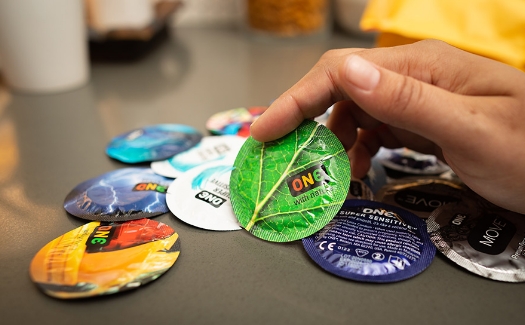
Several condoms on the counter with a hand picking one up

Get free condoms

Using condoms, lube, and dental dams during sex can help prevent HIV. These methods also help prevent other STI like syphilis, gonorrhea and chlamydia. Many local public health authorities across Oregon have free condoms available.

Find your local health authority

If you have trouble getting condoms, you can order free condoms and lube mailed to your door once a month.

Get free condoms & lube
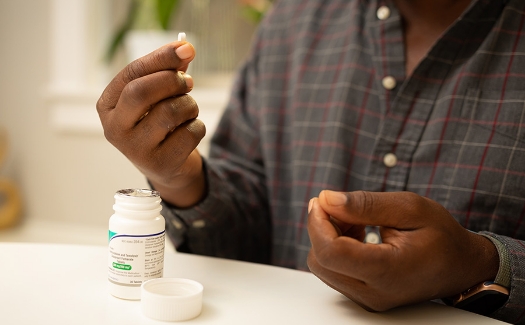
Hand holding a pill next to a medication bottle

See if PrEP is right for you

PrEP (pre-exposure prophylaxis) is a medicine that prevents someone from getting HIV. You can take PrEP as a daily pill or a periodic injection. PrEP is recognized as a safe and effective way to prevent HIV. The Oregon Health Plan and other insurance companies cover it!

Find PrEP
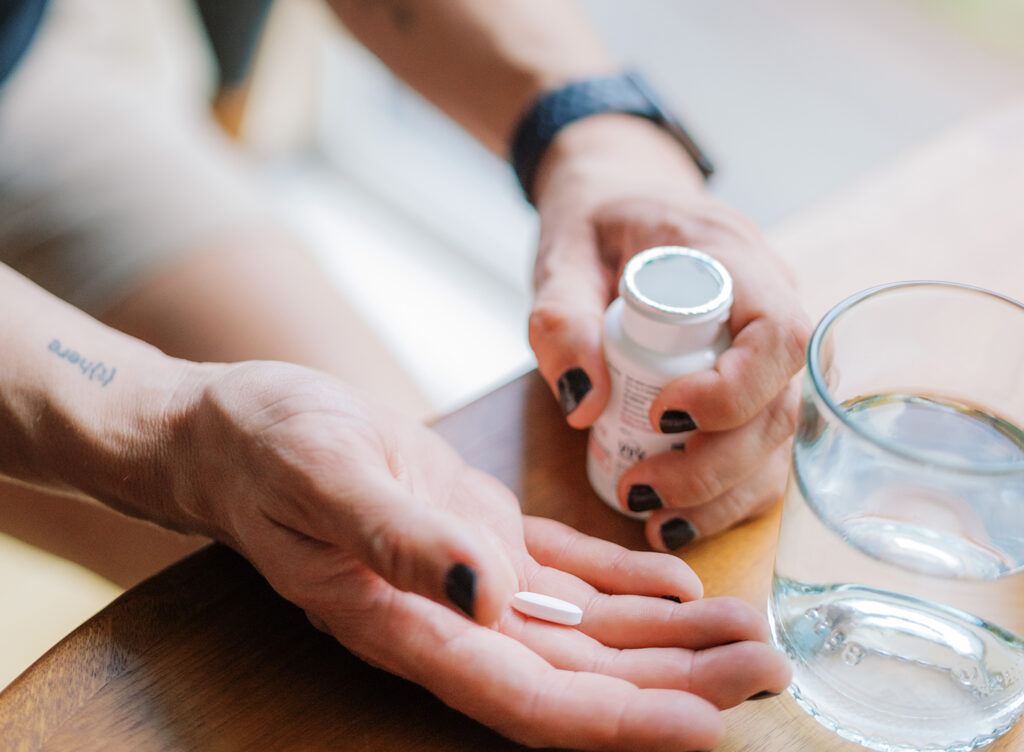
Two hands holding a pill and a medication bottle next to a glass of water

Access PEP in an emergency

PEP is medicine that someone can take after being exposed to HIV. PEP must be started quickly after a possible exposure – within 72 hours. The Oregon Health Plan and other insurance companies cover PEP. There are resources to help pay for PEP if you are uninsured.

Get PEP help

Photo credit: damiorphotography.com

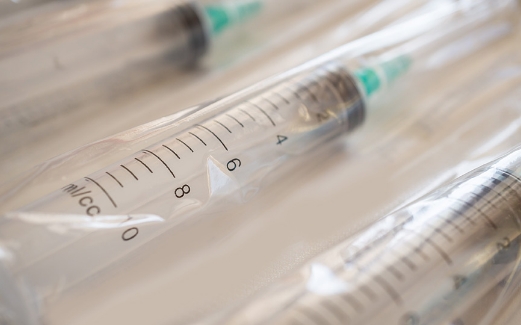
clean needles in packaging

Practice safer injecting

Sharing works means sharing injection equipment. Sharing puts people at high risk of getting and spreading HIV and hepatitis C. If you inject drugs, safer injecting reduces these risks. It also reduces the risk of overdose. Safer practices include using sterile syringes and not sharing or re-using injection equipment.

Oregon has free syringe exchange programs throughout the state. They offer services and supplies including:

  • Safe disposal of used syringes
  • Sterile needles and syringes and other injection equipment (cottons, cookers, etc.)
  • Wound care
  • Condoms, lube, and other safer sex supplies
  • HIV and hepatitis C testing
  • Information about safer injecting technique
  • Narcan (Naloxone), a medication to reverse opioid overdose
  • Fentanyl test strips
  • Help to quit using when you’re ready

There are many resources for finding syringe exchanges near you. These include NASEN and 211.

Rose City Resource provides information for Multnomah, Clackamas, and Washington counties only.

You can also reach out to your local public health authority. They have information about syringe exchange and overdose prevention services in your area.

NASEN 211 Rose City Resource