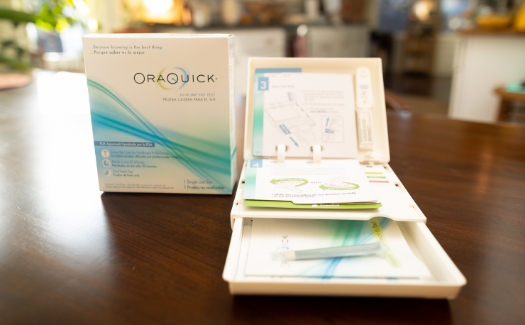
Delayed testing
People in rural Oregon are more likely to delay HIV testing compared to people living in cities. This means they are often diagnosed late in their HIV infections.


People in rural Oregon face barriers that may make them more vulnerable to HIV and STI. End HIV Oregon and HIV Alliance want to increase testing in rural parts of SW Oregon and Linn County. Another goal is to get people talking about sexual health.
Find HIV and syphilis testing resources in:

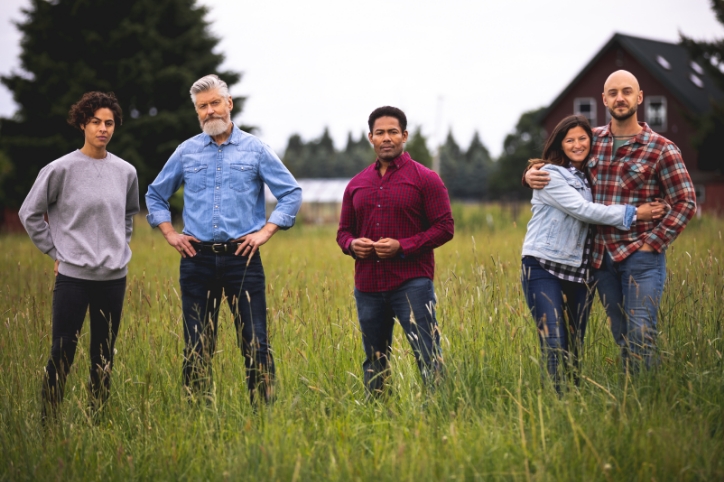
Knowing your HIV status is a sign of strength, not weakness. There are testing, prevention, and treatment resources available to you. Some are free.

Ask your doctor about an HIV test. Most health insurance plans cover HIV testing. You can get HIV tests with other routine screenings like blood pressure and cholesterol checks.
Free at-home testing is also available to people in Oregon.
 Order a free HIV home test
Using condoms during sex and taking PrEP help protect you from HIV. End HIV Oregon and your local public health department can help you get prevention tools.
Order free condoms Find PrEP People in rural Oregon are more likely to delay HIV testing compared to people living in cities. This means they are often diagnosed late in their HIV infections.

New HIV and syphilis cases are on the rise throughout Oregon. That includes rural communities. Jackson, Douglas and Coos counties have seen a significant increase in new HIV cases. And between 2018 and 2023, Linn County had the 7th highest rate of HIV by county in Oregon.
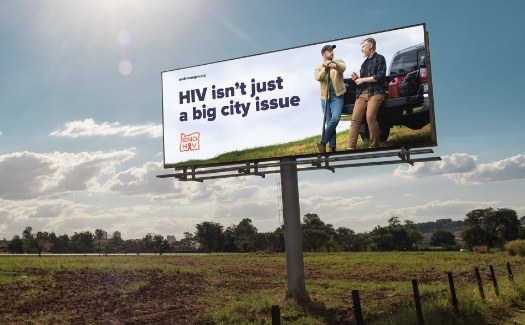
In 2024, End HIV Oregon and HIV Alliance began talking about testing in rural communities. Their media campaign aims to reach people living in SW Oregon and Linn County. Everyone has an HIV status. Get tested.

Reaching people with HIV/STI education is a priority for End HIV Oregon. So is removing barriers to care in rural communities throughout the state.